
Private Events in a Wine Cellar: A 20-Guest Planning Checklist
Private Events in a Wine Cellar: A 20-Guest Planning Checklist
Twenty guests is the sweet spot for a private wine cellar event. The room feels intimate without becoming a cramped dinner party, and the guest list is large enough to create energy but small enough that everyone can still hear the toast. A wine cellar, however, is not a standard event venue. It has fragile inventory, controlled temperature and humidity, limited plumbing, narrow aisles, and acoustics that can turn a lively conversation into a roar. The following checklist is built specifically for a 20-guest gathering, whether you are planning a seated tasting, a milestone birthday, a client dinner, or a relaxed reception among the barrels.
Why a 20-Guest Wine Cellar Event Works
Twenty is a practical number for cellar events because it allows for a single curated experience rather than a mass-production party. You can pour the same flight for everyone, time the food courses properly, and keep service attentive. It is also small enough that the host can greet each guest and large enough to justify a dedicated sommelier, chef, or event coordinator.
- Manageable flow: Twenty guests can move through a tasting station, a seated table, or a reception layout without bottlenecking.
- Better wine service: One or two servers can handle pours, water, and glass changes without rushing.
- Stronger atmosphere: The cellar’s natural character shines when the group is not packed shoulder to shoulder.
- Clearer budgeting: Wine, food, rentals, and staffing costs are easier to estimate for a fixed group of 20.
The 20-Guest Wine Cellar Planning Checklist
1. Define the Occasion and Guest Mix
Start with the purpose of the event. A corporate client dinner has different expectations from a birthday tasting or an engagement celebration. Write down the occasion, the desired mood, and the mix of guests. Then note who drinks wine, who prefers beer or cocktails, who may be pregnant, and who has dietary restrictions. This information shapes every later decision, from wine flights to seating.
- Confirm whether the event is seated, standing, or mixed.
- Ask guests about allergies, mobility needs, and non-alcoholic preferences.
- Decide whether the event is educational, celebratory, or purely social.
- Set a guest arrival time and a firm start time for the first pour.
2. Confirm Cellar Capacity and Layout
Do not rely on the venue’s general capacity number. A wine cellar may legally hold 30 people standing, but a seated dinner for 20 requires table space, service lanes, and room for staff to pass. Visit the space with the final guest count in mind. Measure the table footprint, check ceiling height, and identify where coats, bags, gifts, and glassware will go.
- Ask whether 20 guests can be seated comfortably, not just admitted.
- Identify emergency exits and keep them clear.
- Check for stairs, uneven floors, low beams, and narrow doorways.
- Confirm where caterers and servers will stage food and wine.
3. Build a Realistic Budget
A private cellar event often costs more than a restaurant dinner because the venue must be transformed for hospitality. Budget for venue fees, wines, food, staffing, rentals, lighting, entertainment, transportation, insurance, and gratuity. Add a contingency of 10 to 15 percent. For 20 guests, small line items add up quickly: extra glassware, coat racks, candles, printed menus, and a last-minute case of sparkling water can all affect the total.
- Set a per-guest target for food and wine.
- Separate venue costs from catering and beverage costs.
- Ask about corkage, service charges, and overtime fees.
- Keep a written contingency line rather than relying on memory.
4. Choose the Right Wine Format
For 20 guests, a focused tasting usually works better than an open bar. Consider a welcome sparkling wine, a structured flight of four to six wines, and a final pour with dessert or cheese. If the event is a dinner, pair each course with one wine rather than offering multiple options at the table. This keeps service smooth and helps the host control budget.
For example, a cellar dinner might begin with a dry sparkling wine and passed canapés, move to a white Burgundy with a fish course, pour two reds with the main course, and finish with a tawny port or sweet wine alongside a small dessert. A corporate reception might use a self-contained tasting station with three stations and one sommelier guiding guests through each flight.
5. Plan Food That Respects the Cellar
Food should be elegant but low-risk. Strong odors, greasy fried food, and heavy sauces can linger in a cellar and compete with delicate wine aromas. Choose a menu that can be prepared elsewhere and finished or plated with minimal equipment. Avoid open flames, heavy smoke, and anything that requires a deep fryer unless the venue has proper ventilation.
- Use passed canapés for standing receptions and plated courses for seated dinners.
- Include substantial non-alcoholic options and water at every table.
- Plan vegetarian and gluten-free alternatives in advance.
- Keep food temperatures stable with insulated carriers rather than makeshift warming trays.
6. Manage Temperature, Humidity, and Air
Wine cellars are designed for wine, not people. They are often cool, damp, and poorly ventilated. Twenty guests will raise the temperature and humidity quickly. Ask the venue how the HVAC system will be managed during the event and whether the cellar can be kept at a comfortable temperature without damaging the wine. Bring a light wrap or rental shawls if the room runs cold.
- Confirm the target room temperature for guests and for the wine.
- Avoid blocking vents with tables, flowers, or coats.
- Ask about condensation and slippery floors near cooling units.
- Check that the space has adequate fresh air without creating strong drafts.
7. Design Lighting and Sound
Cellar lighting is usually functional, not festive. Add warm, battery-operated candles and adjustable floor lamps if the venue permits them. Avoid harsh overhead lights and open flames near wine labels or wooden racks. For sound, remember that stone, concrete, and glass reflect noise. A small acoustic playlist at low volume can fill gaps, but do not rely on music to solve poor acoustics.
- Test lighting at the same time of day as the event.
- Use dimmers or battery candles rather than open flames.
- Keep speakers away from tasting stations and dining tables.
- Assign one person to manage volume as the room fills.
8. Seating and Flow for Twenty
For a seated dinner, choose one long table or two round tables. One long table encourages a shared experience but can make conversation difficult at the ends. Two tables of ten can feel more intimate and make service easier. For a reception, create distinct zones: a welcome area, a tasting station, a food station, and a quieter seating corner. Leave at least one clear path for servers.
- Assign seats if the guest mix includes clients, family, or sensitive dynamics.
- Keep the bar or pouring station away from the entrance.
- Place water and glassware within easy reach of every seat.
- Reserve a small table for gifts, menus, and the guest book.
9. Staffing and Service
For 20 guests, plan on one experienced server per 10 to 12 guests for a seated dinner, plus a sommelier or beverage lead. If the event includes a guided tasting, the sommelier should not also be responsible for clearing plates. Brief staff on the wine order, dietary restrictions, and the host’s preferred toast timing. A short pre-event huddle prevents most service problems.
- Confirm arrival times for caterers, servers, and sommeliers.
- Provide a printed run of show with pour times and course times.
- Designate one staff member as the venue contact.
- Agree on gratuity and overtime rates in advance.
10. Glassware, Water, and Non-Alcoholic Options
Twenty guests can generate a surprising amount of glassware. For a four-wine tasting, plan one glass per wine plus water glasses and a spare set for breakage. Rent glassware rather than borrowing mismatched sets. Always offer sparkling water, still water, and at least two non-alcoholic drinks that feel considered rather than an afterthought.
- Count one wine glass per pour plus 10 percent spares.
- Provide water glasses and pitchers at every table.
- Offer a non-alcoholic spritz, tea, or local soda.
- Set up a discreet glass return station.
11. Safety, Accessibility, and Contingencies
Check the venue’s insurance requirements and ask whether the event needs a certificate of insurance from vendors. Confirm that fire extinguishers are visible and exits are unlocked. If the cellar is below ground, ask about cell service and emergency communication. Have a plan for a guest who becomes unwell, a power outage, or a broken glass near the wine racks.
- Keep aisles clear and tape down loose cables.
- Provide a chair for anyone who cannot stand for long periods.
- Confirm accessibility for guests with mobility aids.
- Prepare a weather plan for arrivals and coat storage.
12. Final Walkthrough and Day-Of Kit
Do a final walkthrough 24 to 48 hours before the event. Bring the floor plan, guest list, vendor contacts, and a checklist. On the day of the event, pack a kit with printed menus, seating cards, tape, scissors, stain remover, a corkscrew, a bottle opener, extra candles, phone chargers, and a small first-aid kit. Assign someone to keep the kit in one known location.
- Confirm wine deliveries and cold storage.
- Test lighting, sound, and temperature controls.
- Print the run of show and vendor contact sheet.
- Set aside a quiet space for the host to regroup.
Sample 20-Guest Wine Cellar Timeline
- Eight weeks out: Confirm venue, guest count, and event format.
- Six weeks out: Book caterer, sommelier, and rentals.
- Four weeks out: Finalize menu, wine flight, and dietary needs.
- Two weeks out: Send invitations and collect RSVPs.
- One week out: Confirm staffing, delivery times, and floor plan.
- Two days out: Hold the final venue walkthrough and print materials.
- Event day: Arrive early for setup, brief staff, and test the room.
Extra Useful Section: A 20-Guest Budget Snapshot
Use this simple framework to keep spending visible. Percentages are guides, not rules, but they help prevent wine and rentals from quietly consuming the entire budget.
- Venue and staffing: 25 to 35 percent.
- Food: 20 to 30 percent.
- Wine and beverages: 20 to 30 percent.
- Rentals and decor: 10 to 15 percent.
- Contingency: 10 to 15 percent.
Extra Useful Section: A Short Pre-Event Walkthrough Script
Before guests arrive, gather the key staff for a two-minute huddle. Keep it focused and practical.
“We have 20 guests arriving at 6:30. The first pour is at 7:00. Dietary restrictions are marked on the seating chart. Water and non-alcoholic options go out first. The host will toast at 7:45. Please keep the aisle by the east racks clear, and direct all venue questions to me.”
Final Checklist Recap
A successful 20-guest wine cellar event depends less on spectacle and more on preparation. Confirm the room can hold 20 people comfortably, control the temperature and lighting, choose a focused wine format, and brief your staff clearly. Keep the guest experience intimate, protect the cellar and its inventory, and build in a contingency for the unexpected. When those pieces are in place, the cellar does what it does best: it gives a small group a memorable, atmospheric place to gather around wine.
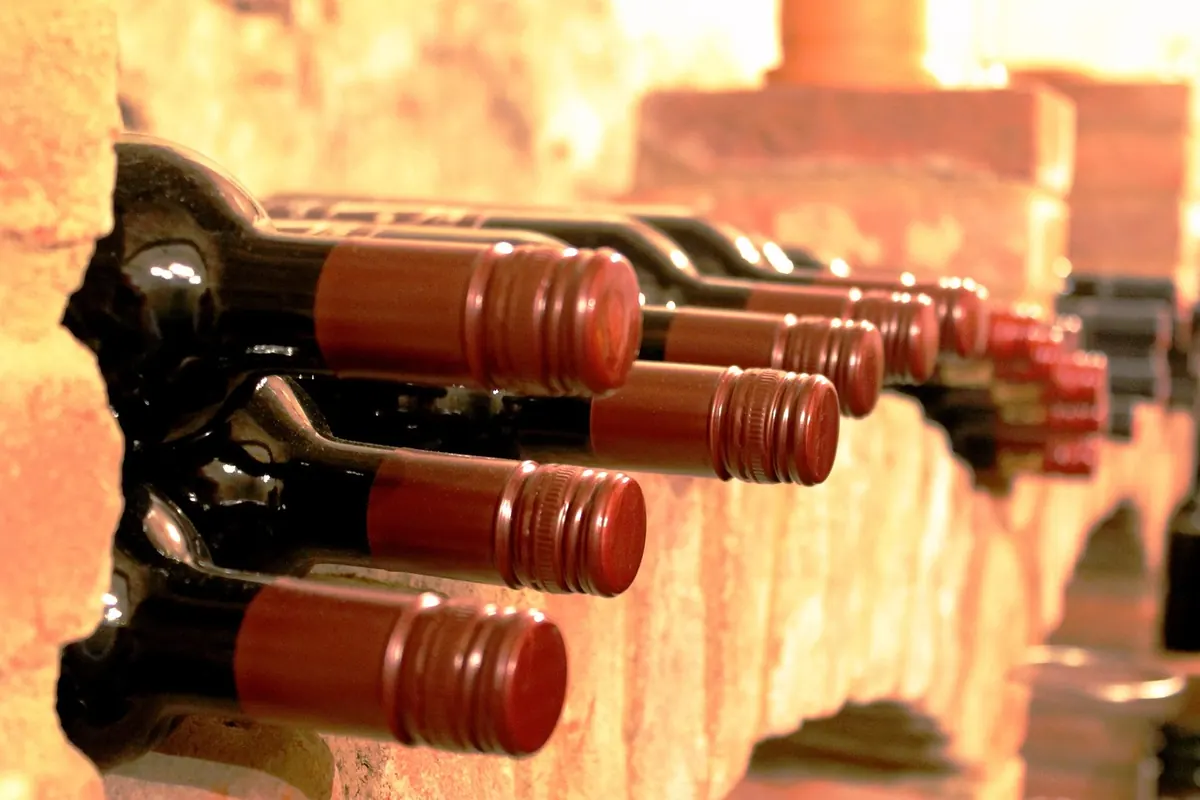
Photo: Arno_M / Pixabay